 By William
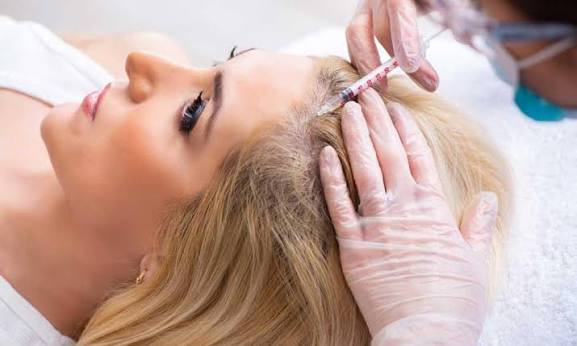
Tiny needle marks across the crown usually fade faster than most patients assume. Still, the first day or two can bring some soreness worth preparing for. Anyone starting hair PRP treatment benefits from knowing what normal recovery looks like. Most reactions are short lived as the body responds to the injections. Simple aftercare habits help those reactions settle without complications. Understanding the typical pattern also helps you notice rare warning signs promptly.
Soreness Has Simple Causes
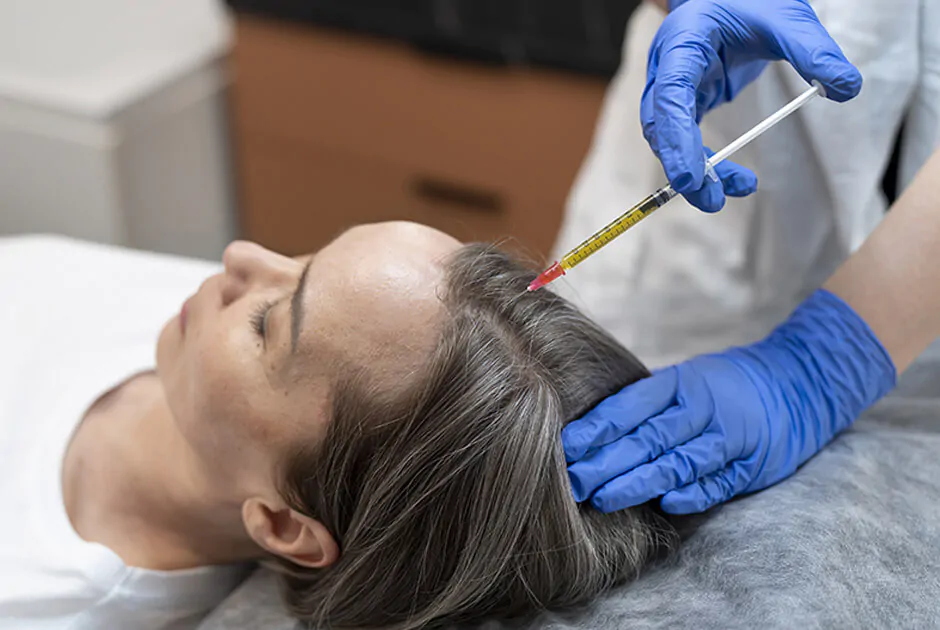
Plasma is injected through many small needle points across thinning areas. Each point creates a tiny wound that the body begins repairing. That repair response brings brief soreness similar to a light bruise. The feeling usually peaks within the first twenty-four hours.
Puffiness Can Travel Downward
Fluid from the injections sometimes drains toward the forehead overnight. A few patients wake up with slight puffiness around the eyes. Gravity causes this movement, so it is not a sign of trouble. Sleeping with the head raised often reduces it within two days.
Normal Reactions Worth Knowing
Most reactions are minor and fade on their own. These are the ones clinics describe most often.
- Pinpoint redness at injection spots that fades within a day.
- A tight feeling across the crown for several hours.
- Light headache that responds to plain pain relief your doctor approves.
- Small bruises in areas where needles passed through blood vessels.
- Mild itching as tiny punctures begin closing over two days.
- Brief tenderness when brushing or combing hair the next morning.
- Slight warmth over treated patches lasting until the evening.
- Minor bleeding spots that stop quickly with gentle pressure.
Returning to Normal Routines
Most patients go back to office tasks the same day or the next morning. Hair washing is usually allowed after twenty-four hours using a gentle shampoo. Clinics providing hair PRP treatment typically advise skipping heavy workouts for one to two days. Colouring or chemical straightening should wait at least seventy-two hours.
Warning Signs Needing Attention
Contact your clinic if redness spreads or feels hot several days later. Fever, pus, or worsening pain may signal an infection. Swelling that keeps increasing after three days also deserves a prompt check.
Small Habits Help Healing
Drinking plenty of water before visits can make the blood draw easier. Avoiding alcohol for a day beforehand helps reduce bruising. Wearing a loose cap outdoors protects the treated area from strong sun. Skipping tight hats or helmets for a day prevents extra pressure.
Patient Questions Answered Simply
- Does the injection process feel painful for most first-time patients? Numbing cream helps a lot, though some pinching is still felt.
- When can I safely wash my hair after a treatment visit? Most clinics recommend waiting about twenty-four hours before using shampoo.
- Will puffiness near my eyes appear after every single treatment visit? Not always, it happens occasionally and usually clears within two days.
- Should I avoid painkillers that thin the blood before my appointment? Yes, ask your doctor first, since some may affect platelet function.
- Do I need to take time off from my job afterwards? Most people return to desk work the same day or next morning.
- How many visits are usually needed before visible hair changes appear? Most patients notice changes after three to four monthly visits.
Calm Care Keeps Progress Steady
Feeling a little sore briefly is an ordinary part of this process. Raised sleeping positions along with gentle washing keep discomfort low. Unusual heat, fever, or growing puffiness should prompt a call to the clinic. Keeping every planned visit matters more than any single perfect appointment. Steady attention over several months is what ultimately delivers thicker, healthier strands.